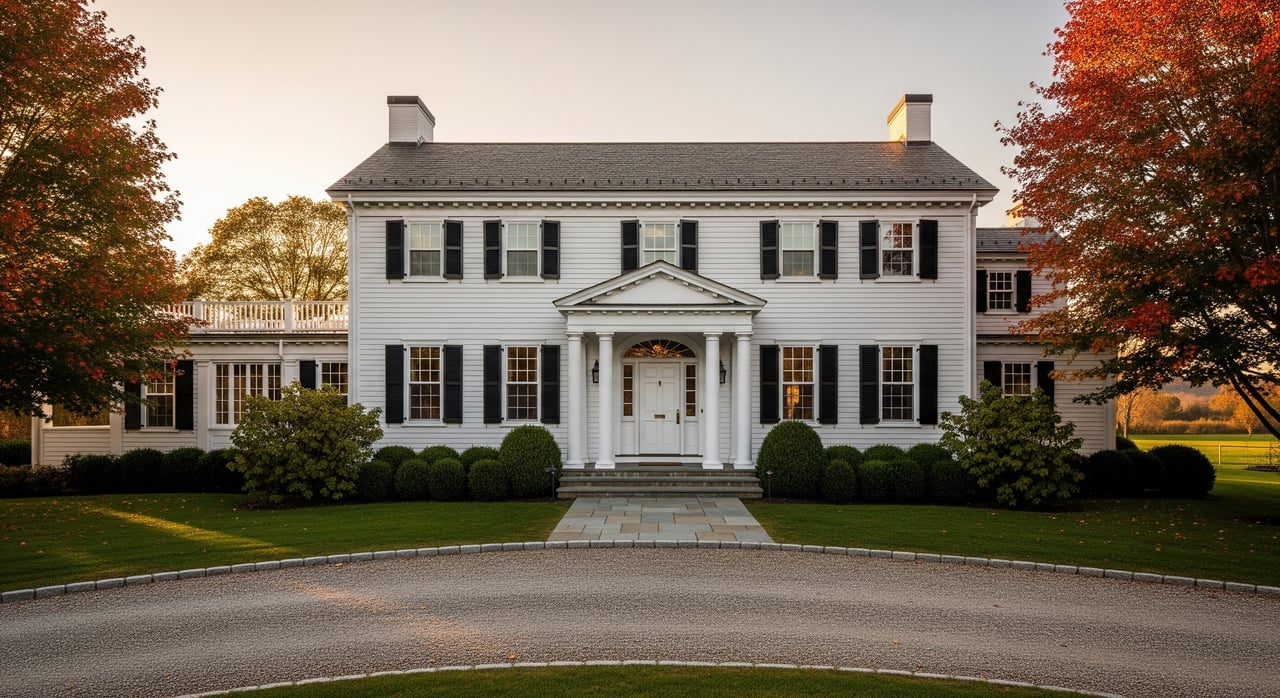
Buying a home in Amherst is exciting, but the real work begins once your offer is accepted. The Purchase & Sale Agreement is where the price, deadlines, and protections become real. If you understand how the contract works in New Hampshire, you can move forward with confidence and avoid preventable stress.
In this guide, you’ll learn what a New Hampshire Purchase & Sale Agreement does, the clauses you should expect, typical Amherst timelines, and the contingencies that protect you. You’ll also see the practical steps your agent uses to keep you on track from offer to closing. Let’s dive in.
What a NH Purchase & Sale Does
A Purchase & Sale Agreement sets the price and terms for transferring real estate from the seller to you. It spells out deposits, deadlines, contingencies, closing details, and what happens if either side defaults.
Realtors in New Hampshire often use forms from the New Hampshire Association of REALTORS or comparable attorney-drafted versions. Terms are negotiable, so you can tailor the agreement to your goals.
New Hampshire does not require attorney review. You can include an attorney-review contingency or hire counsel to draft or review the agreement. The P&S itself is not recorded. The deed and any mortgage are recorded at the Hillsborough County Registry of Deeds at closing.
Seller disclosures vary. Many sellers provide a written property disclosure, and federal rules apply for specific items like lead-based paint in homes built before 1978. If lead, radon, or other hazards are a concern, build the right testing and review periods into your contingency plan.
Key Terms You Will Negotiate
Price and Earnest Money
The agreement states your purchase price and any personal property that stays. You will also agree on an earnest money deposit, which is held in escrow by a broker, title company, or attorney. The contract must name the escrow holder and the conditions for releasing or forfeiting funds.
Deposits in the region are negotiated. In a competitive moment, the amount may be higher. Your agent will help you balance a strong offer with appropriate protections.
Financing and Appraisal
A financing contingency protects you if you cannot obtain a mortgage within the agreed time. It typically lists the loan type, amount, and a deadline for commitment. Appraisal often ties into this clause. If the appraisal is below the purchase price, your options come from the contract language, which may include cancellation or a chance to renegotiate.
If you use FHA or VA financing, allow enough time for appraisal and any lender-required repairs. Ask your lender for realistic timelines before finalizing dates in the contract.
Inspections
Most buyers include a home inspection contingency with a set number of calendar days to inspect, request repairs or credits, or cancel. In Amherst, properties often rely on private septic systems and wells. These are commonly separate contingencies with their own deadlines.
Inspection periods are time sensitive. Make sure the agreement states exactly how many days you have to inspect and how you must deliver requests or notices.
Title and Survey
You will receive a title search and a title insurance commitment. These confirm the seller can convey marketable title and show any easements or restrictions. Many buyers also request an existing survey or add a survey review contingency. Identify easements, rights-of-way, and conservation restrictions early so you know how they affect property use.
Property Condition and “As Is”
Some sales are written “as is.” You can still inspect, but the seller has limited obligations to repair beyond what is negotiated. When you buy “as is,” it is critical to use your inspection rights fully and on time.
Closing Date, Occupancy, and Prorations
Set a closing date that fits your financing, title work, and the seller’s plans. Possession can be at closing or handled through a separate occupancy agreement. Property taxes, utilities, and any association fees are usually prorated to the day of closing. Confirm how Amherst tax bills are handled so the proration matches the most recent period.
Remedies and Default
The contract will outline remedies if either side defaults. This may include earnest money forfeiture, damages, or specific performance. If you want to specify dispute resolution details, such as attorney fees or venue, address that in the agreement.
Typical Amherst Timelines
While every deal is negotiated, these ranges are common in Amherst and Hillsborough County:
- Earnest money: due at acceptance or within 1 to 3 business days
- Home inspection: 7 to 10 calendar days
- Septic and well inspections: 7 to 14 days, depending on scheduling
- Mortgage commitment: 30 to 45 days, depending on loan type
- Title commitment: often within 10 to 21 days
- Closing: 30 to 60 days from contract date, faster with cash
Local customs matter. Amherst’s suburban and rural areas often use private septic and wells, so buyers request system records and testing as part of due diligence. Many buyers also check permits, zoning, and conservation considerations through Amherst’s town offices. Title companies or attorneys review deed history and recorded restrictions through the Hillsborough County Registry of Deeds. Market pace affects deposit size, inspection windows, and whether sellers accept buyer-sale contingencies.
Contingencies That Protect You
Home Inspection Contingency
This covers the home’s structure and major systems. Schedule your inspector quickly and plan to attend. Deliver repair requests or a termination within the deadline to preserve your rights.
Septic System Contingency
Septic issues can be costly and may affect financing or insurability. Ask for design approvals, pump-out receipts, and maintenance history. Testing may include a visual review, a pump-out, dye testing, or a licensed designer’s evaluation.
Well and Water Quality Contingency
Water testing typically includes potability, bacteria, and nitrates. Flow tests may be helpful for larger households. Order tests early so you have time to review results and respond.
Title Contingency
A title contingency lets you review the title commitment and exceptions and request the seller to cure issues. If problems cannot be cured in time, you may adjust the closing date or consider other remedies based on the contract.
Financing and Appraisal Contingency
Clarify what happens if the appraisal is below the purchase price. Make sure the mortgage commitment date matches your lender’s processing time.
Sale of Buyer’s Property Contingency
If you must sell your current home to purchase, be precise about dates and milestones. In a competitive market, many sellers prefer offers without this contingency, so plan accordingly.
Insurance and Insurability Contingency
Confirm you can obtain homeowner’s insurance at acceptable terms. Certain items, like flood zones, underground oil tanks, or woodstoves, can affect insurability and lender approval.
HOA and Covenants Contingency
If the property is in an association or subject to restrictions, obtain governing documents and budgets. Add a review window to confirm rules and costs fit your plans.
Environmental and Hazardous Materials
Radon and lead are common concerns in New England. Federal law requires lead-based paint disclosure for homes built before 1978. Consider radon testing and any necessary addenda to document responsibilities for mitigation.
Step-by-Step: From Offer to Closing
Use this simple checklist to stay organized:
- Before signing
- Get preapproved and discuss a realistic closing timeline with your lender.
- Ask your agent what deposit amounts and deadlines are typical in Amherst.
- Contract signing (Day 0)
- Confirm the escrow holder and how to deliver your deposit.
- Schedule the home inspection and any septic or well inspections.
- Inspection period (Days 1 to 7 or 10)
- Attend the inspection and review the report promptly.
- Submit repair requests or a termination within the deadline.
- Financing period (Days 0 to 30 or 45)
- Provide documents quickly, order the appraisal, and track your commitment date.
- Title and survey review (Days 0 to 21)
- Review the title commitment, exceptions, and any survey or existing plan.
- Raise title objections early so there is time to cure.
- Before closing
- Confirm homeowner’s insurance, utility transfers, and final closing funds.
- Verify possession terms and walkthrough timing.
How Your Agent Protects Your Interests
A strong buyer’s agent does more than write offers. Here is how your agent keeps you covered:
- Local guidance
- Recommends deposit amounts and deadlines that fit current Amherst conditions.
- Contract strategy
- Builds in the right contingencies for inspections, title, financing, and occupancy.
- Coordination
- Schedules inspectors, tracks deadlines, and delivers notices in writing.
- Due diligence
- Advises on septic and well history, conservation or deed restrictions, and where to obtain records from Amherst town offices or the county Registry of Deeds.
- Negotiation
- Handles repair or credit requests and manages contingency removals on your terms.
With a Bedford-based team that blends local expertise with regional reach, you get a boutique, high-touch experience supported by proven production and recognized awards. That combination helps you move from offer to keys with clarity and confidence.
Final Thoughts
The Purchase & Sale Agreement is your roadmap from accepted offer to a smooth closing in Amherst. Focus on clear timelines, well-structured contingencies, and organized due diligence. When you need help interpreting clauses or addressing complex title or environmental issues, consider consulting a New Hampshire real estate attorney. A thoughtful plan, paired with a proactive agent, keeps your purchase on track.
Ready to talk through your Amherst purchase and build a smart, local strategy? Reach out to the Christensen Group, Inc. for clear guidance and responsive buyer representation.
FAQs
What is a New Hampshire Purchase & Sale Agreement?
- It is the binding contract that sets price, deposits, deadlines, contingencies, and closing terms for transferring a home from seller to buyer in New Hampshire.
Do I need an attorney for a P&S in NH?
- New Hampshire does not require attorney review, but you can include an attorney-review contingency or hire counsel to draft or review the agreement.
How much earnest money is typical in Amherst?
- Deposits are negotiated and vary by market conditions, with funds held in escrow and released or forfeited according to the contract.
How long is the inspection period in Amherst?
- General home inspection periods commonly run 7 to 10 calendar days, with septic and well contingencies sometimes set at 7 to 14 days.
What happens if the appraisal is below the price?
- Your options depend on the contract language, which may allow cancellation or renegotiation if the appraisal is short.
What contingencies should Amherst buyers consider?
- Common protections include home inspection, septic, well and water quality, title review, financing and appraisal, insurance, HOA and covenants, and environmental testing.
When do I get the deed recorded in Hillsborough County?
- The P&S is not recorded; the deed and any mortgage are recorded at the Hillsborough County Registry of Deeds at closing.